 Classic car enthusiasts are as diverse as the number of vehicles on the market. It’s no surprise that different people want different things from their cars –– especially if they’re willing to spend a good deal of time and energy restoring a classic car. It’s also not a surprise that many classic car owners are often particular about how they go about restoring their car. And one of those sticking points is the OEM vs aftermarket car parts conundrum. But which is the right way to go for your restoration? And is there even a significant difference between the two methods? In short there is –– if price or continuity matter at all to you.
OEM Car Parts
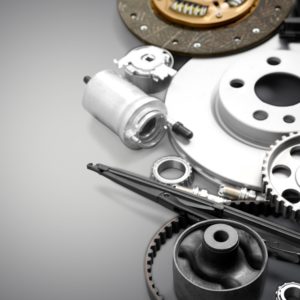
OEM (original equipment manufacturer) car parts are exactly what they sound like –– auto parts made by the same company specifically for one car. If you decide to pursue OEM car parts exclusively in your restoration, you’ll enjoy the continuity that the manufacturer intended when they designed the car in the first place. In addition, you won’t have to sweat the part’s quality, or worry about it functioning with the rest of your vehicle.
However, OEM parts are often more expensive –– and the rarer the car –– the higher the price of OEM parts for it. Again, this comes with a caveat, though. If your intention is to restore a car to precisely its original form, then OEM is the way to go. Note however, that it will likely take more time (and more money) to make that dream a reality. Sadly, sometimes even with lots of time and effort that may not be possible either.
Aftermarket Car Parts
As opposed to OEM car parts, aftermarket parts don’t come directly from the maker. Instead, they’re parts designed by third-party companies some time later. The good news about aftermarket parts is that they’re usually significantly cheaper than their OEM parallels. But they don’t come with the same guarantee to work as efficiently; often aftermarket parts operate perfectly fine, but sometimes they may not –– depending on a number of factors. The real value in aftermarket parts lies in customization options. For classic car lovers who aren’t interested in retaining historical accuracy, but instead want to update and upgrade a classic car, then aftermarket parts are a godsend.
The Bottom Line
Similar to the debate around restomods and pro touring, there isn’t necessarily a right answer to the OEM vs aftermarket car parts question. Rather, each suits a particular type of car restoration, and reflects the unique taste of the car owner. Remember though, that there are certain things you should always keep in mind when dealing with car parts, regardless of whether they’re OEM or aftermarket. And the biggest one is to ensure their quality and proper installation. You don’t want to have to keep shelling out more and more cash to replace parts that don’t work properly. Your car (not to mention your time) is too important to waste with shoddy craftsmanship or scammy mechanics.
Learn More
If you’re eager to get started on your next car restoration project, but aren’t sure where to start, contact us toll-free at 1-844-652-1966, or email me directly at [email protected]. We love talking about restoring classic cars!