For many classic cars and trucks, rust repair is one of the most significant aspects of the restoration process. Decades of exposure to moisture, road debris, and previous repairs can leave structural and cosmetic damage that must be addressed before a vehicle can be restored properly.
Understanding how rust affects classic vehicles helps owners appreciate why professional restoration work often begins with careful inspection and metal repair.
Why Rust Is Common in Classic Vehicles
Many vehicles built in earlier decades were not designed with the corrosion protection systems used in modern automobiles. Over time, moisture and environmental exposure can lead to corrosion in hidden areas of the vehicle’s structure.
Common areas where rust develops include:
- floor pans
- rocker panels
- lower body panels
- frame rails and structural supports
- wheel wells and trunk compartments
These areas may appear solid externally while significant corrosion exists beneath the surface.
The Importance of Proper Metal Repair
When rust damage is discovered, repairing the affected metal correctly is essential. Temporary fixes or cosmetic repairs may hide the problem temporarily but do not restore the structural integrity of the vehicle.
Professional restoration shops typically address rust damage by removing compromised metal and fabricating or installing replacement panels designed to match the original structure.
This process restores both the strength and the appearance of the vehicle.
Bodywork and Panel Alignment
Once structural metal repairs are complete, body panels must be carefully aligned and prepared for finishing. Proper panel fitment ensures consistent gaps and smooth surfaces throughout the vehicle.
Bodywork involves shaping and refining the panels so the vehicle’s lines are straight and consistent before paint preparation begins.
Preparing for Paint
Preparation is one of the most time-intensive stages of restoration. Before paint is applied, surfaces must be cleaned, smoothed, and refined to ensure the final finish is even and durable.
While the final paint application often receives the most attention, the quality of the finish is determined largely by the preparation that occurs beforehand.
The Result of Proper Restoration Work
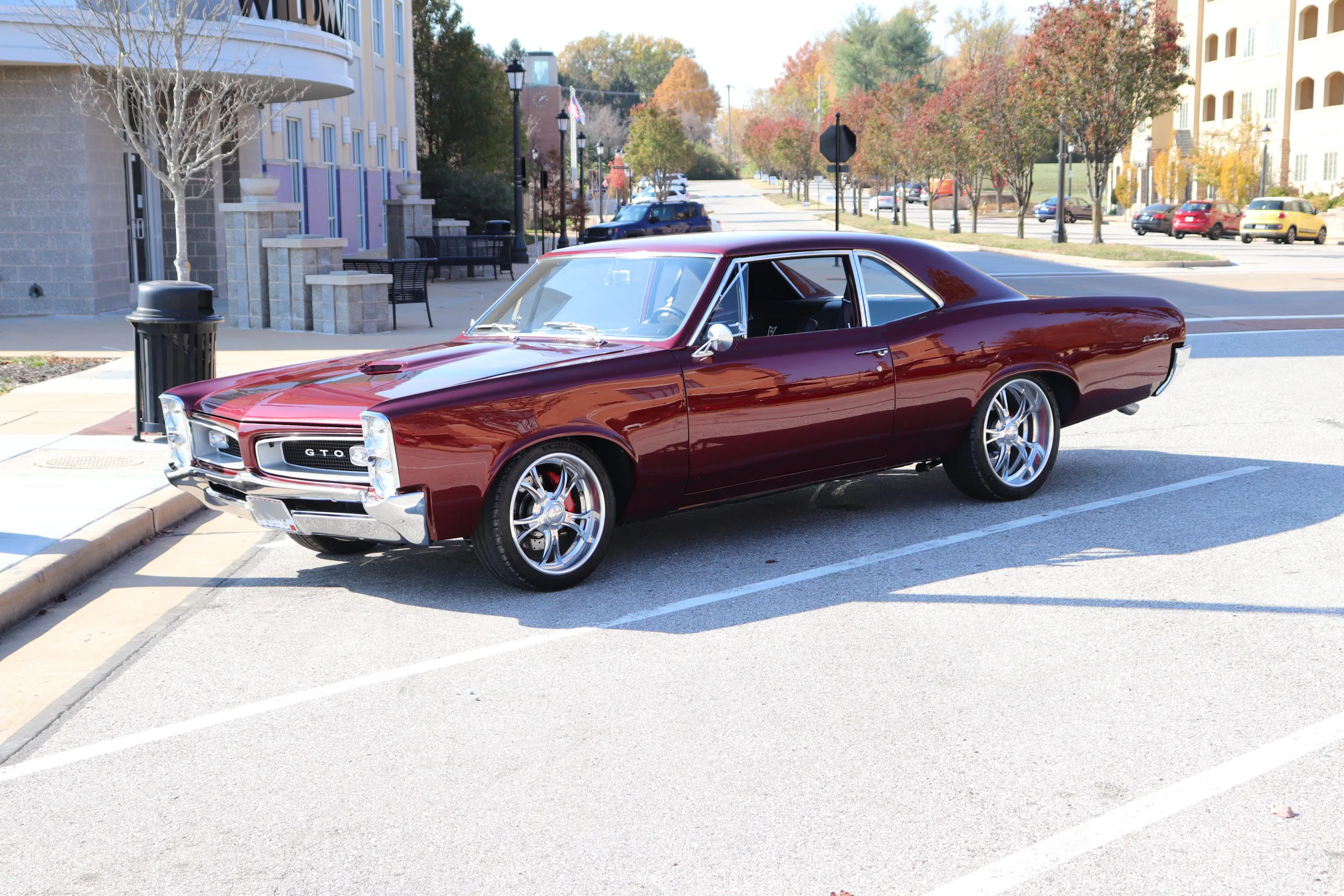
When rust repair, bodywork, and paint preparation are done correctly, the finished vehicle reflects the craftsmanship invested throughout the restoration process.
The result is not only an improved appearance but also the preservation of the vehicle’s structure and longevity.
For collectors and enthusiasts, this level of work ensures the vehicle can be enjoyed for decades to come.