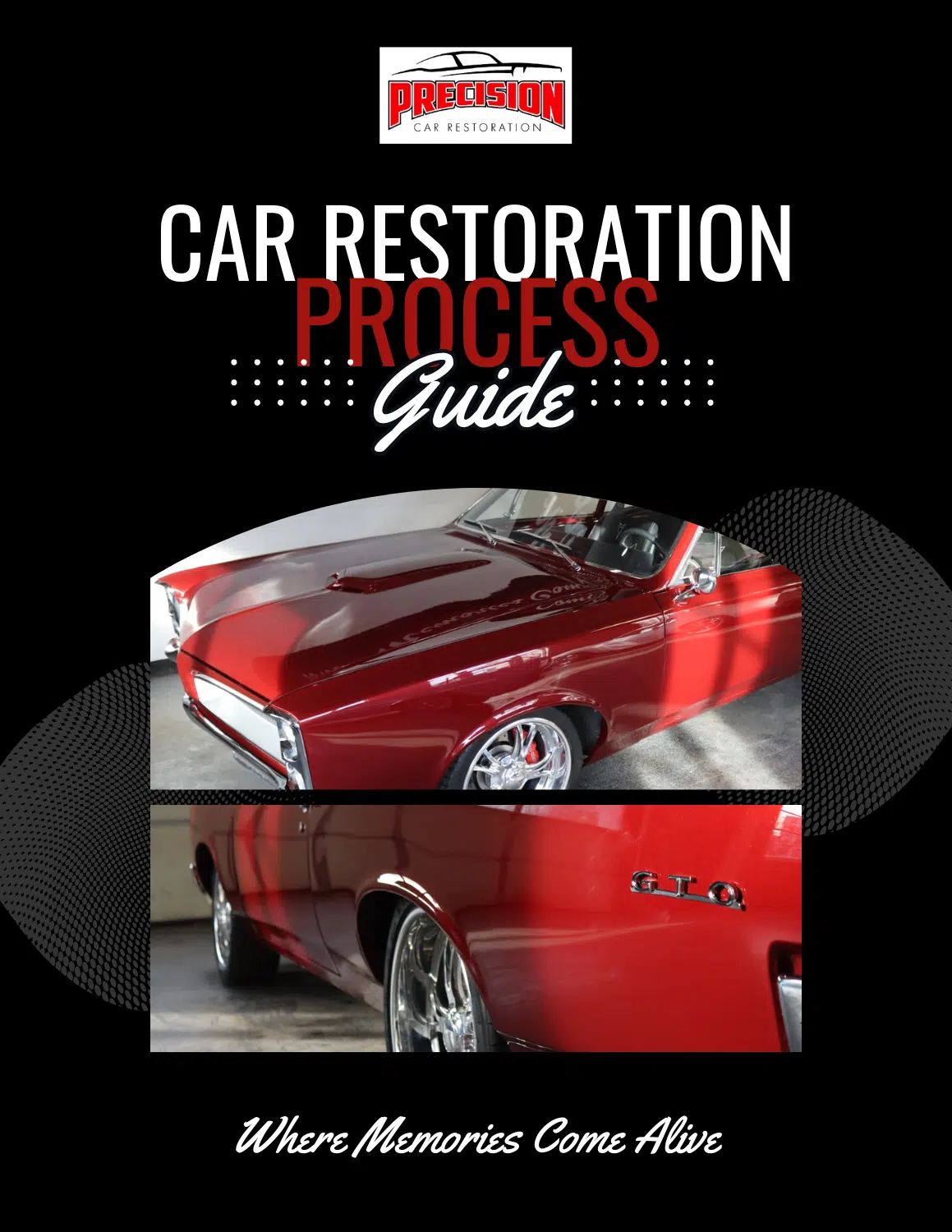

Restoring a classic car or truck is far more than a mechanical repair or cosmetic refresh. A proper restoration is a detailed process that combines craftsmanship, engineering, and careful planning to return a vehicle to a condition that reflects its history and potential.
For many collectors and enthusiasts, understanding how a professional restoration unfolds helps clarify why these projects require significant time, expertise, and investment. Each vehicle carries its own history, and every restoration presents unique challenges that must be evaluated and addressed as the work progresses.
While every project is different, most full restorations follow a structured sequence of phases designed to ensure that each vehicle is rebuilt correctly and safely.
Initial Evaluation and Project Planning
Before restoration begins, the vehicle is carefully evaluated to understand its condition and determine the scope of the project. This evaluation includes examining structural components, body panels, mechanical systems, and the completeness of the vehicle.
Some vehicles arrive in relatively solid condition, while others may have decades of wear, corrosion, or previous repairs that require extensive work. Understanding these factors helps establish the restoration plan and determine the approach for returning the vehicle to its intended condition.
At this stage, owners and restoration specialists also discuss the goals of the project. Some restorations aim to recreate a factory-correct vehicle, while others incorporate modern drivability upgrades or subtle performance improvements.
Disassembly and Documentation
Once the project begins, the vehicle is carefully disassembled. Every component—from trim pieces and interior panels to mechanical assemblies—is removed so the underlying condition of the vehicle can be fully evaluated.
During this phase, parts are cataloged and documented to ensure proper reassembly later in the project. Disassembly also reveals areas of rust, structural damage, or previous repairs that may not have been visible during the initial evaluation.
It is common for discoveries to occur during this stage, which is one reason restoration projects often evolve once work begins.
Metalwork and Structural Restoration
Many classic vehicles require metal repair or fabrication work. Over decades of use, vehicles may develop rust in structural areas such as floor pans, frame sections, and body supports.
Addressing these issues properly is essential to the integrity of the vehicle. Skilled metal fabrication ensures that structural components are repaired or replaced to restore the strength and geometry of the vehicle.
This stage often requires significant craftsmanship and attention to detail, particularly when repairing rare or hard-to-replace components.
Bodywork and Paint Preparation
After structural repairs are complete, body panels are aligned and prepared for finishing. Proper panel fitment, surface preparation, and paint work are critical to achieving a high-quality final appearance.
Preparation can take far longer than the actual painting process. Achieving straight panels and consistent surfaces requires careful sanding, shaping, and refinement before the vehicle enters the paint booth.
When done correctly, the paint finish highlights the craftsmanship of the restoration and preserves the vehicle’s appearance for years to come.
Mechanical Restoration
While the body and paint work progress, the vehicle’s mechanical systems are rebuilt or restored. Engines, transmissions, suspension components, braking systems, and electrical systems are inspected and rebuilt as necessary.
Many owners choose to incorporate modern upgrades during this stage to improve reliability, safety, and drivability while preserving the character of the vehicle.
Reassembly and Final Inspection
Once the restoration components have been completed, the vehicle enters the reassembly phase. Each system is installed, adjusted, and tested to ensure proper operation.
Interior components, trim pieces, and mechanical systems are installed with careful attention to detail. The final stages of the project involve testing, adjustments, and quality inspection to ensure the vehicle meets the standards established at the beginning of the project.
A Restoration Is More Than a Repair
A true restoration is not simply about fixing what is broken. It is about returning a vehicle to a condition that reflects its craftsmanship, history, and design.
For many owners, the result is more than a finished vehicle. It is the preservation of a piece of automotive history—something that can be enjoyed for years and passed down to the next generation.