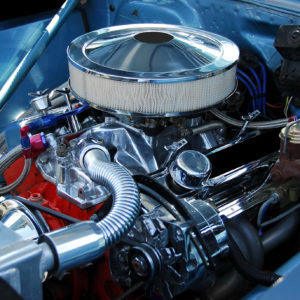
 For many classic car enthusiasts, the engine is the soul of a classic car. It’s pretty easy to see why. After all, the size, quality, and functionality of an engine has a massive effect on how a car handles, how fast it can go, and what sort of feeling it produces. Unsurprisingly, though, engines that are 40 or 50 years old and that have over 100,000 miles on them (or in some instances two or three times that amount) often experience problems. With that in mind, today we’ll explore classic car engine upgrades and upkeep. Here’s everything you need to know on the subject:
Maintaining a Classic Car Engine
As one might imagine, significant engine repair or replacement can be expensive. That’s why it’s important for classic car owners to understand how to properly store and maintain their classic car. A number of factors can affect engine performance and cause the engine to overheat. In fact, heat is a very common cause of engine failure. To that end, classic car owners should be very cognizant of making regular oil changes, changing worn or broken spark plugs and coolants, and replacing air filters. Note, older vehicles require oil changes much more frequently than modern cars. We recommend changing the oil in a classic car every 2,500 miles. In addition, it’s important to run a classic car every once in a while during prolonged storage.
Classic Car Engine Swaps
Sometimes, a classic car engine will simply be damaged beyond repair. Or, it will require such extensive repairs that swapping it out for another engine will be less expensive. (Because some classic cars are very rare, original replacement parts may not be available either.) The good news here is that it’s possible to add modern engines to many older vehicles. Obviously, this will change the performance of the classic car –– typically for the better. These fully-assembled engines for swaps are sometimes called “crate engines.”
The downside to a classic car engine swap, of course, is that it changes the nature of the vehicle. So classic car owners who insist on preservation may not find an engine swap appealing.
Classic Car Engine Rebuilds
Rebuilding an engine from scratch is a job best left to professionals. In a true rebuild, a professional will disassemble the engine in order to rebuild classic car parts to factory specifications. While many classic car rebuilds are done with the intention of restoring a classic car to its previous condition, some classic car owners may desire a custom-built engine with new mechanical features. Again, the question of including OEM or aftermarket parts is one classic car owners must answer on a case-by-case basis. In general, it’s easier to find replacement parts for popular classic cars than obscure ones.
Lastly, it’s worth noting that isolated engine repairs are not the same as a total rebuild. The sad truth, though, is that some unscrupulous shops may try to blur the lines between the two. Tune ups and engine calibrations are important, but they’re distinct from engine rebuilds and replacements.
Contact the Pros
At Precision Restorations, we have the skills and the resources to complete virtually every type of mechanical repair a classic car could ever need. Whether you need a tune-up, transmission rebuild, fuel tank cleaning, A/C installation, engine swap, or any other kind of engine work, we’ve got you covered. We’re always happy to speak to our customers about their classic cars. Contact us toll free at 1-844-652-1966. Or you can email me directly at [email protected].